

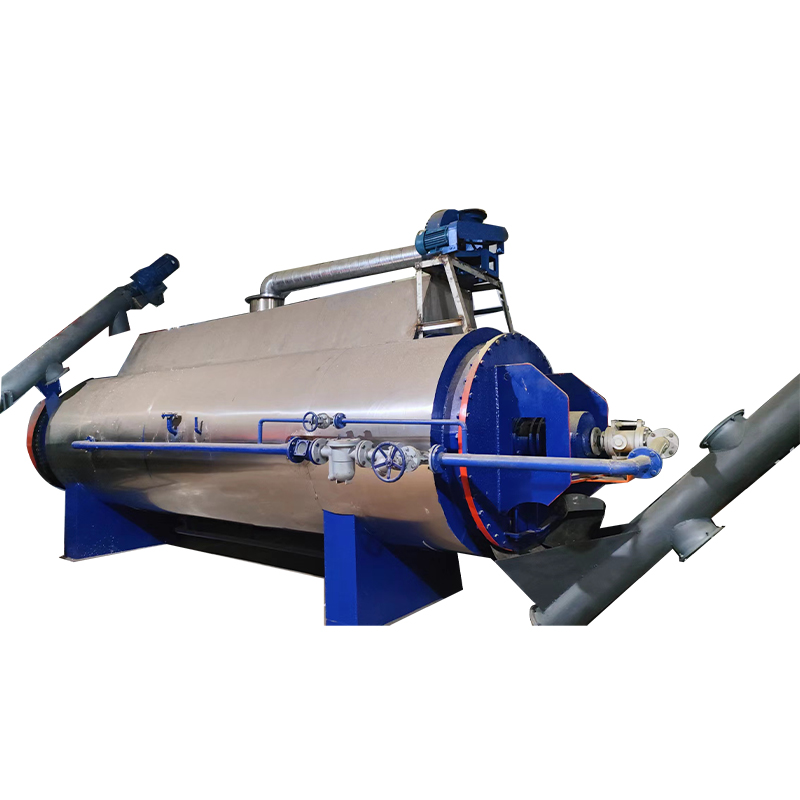
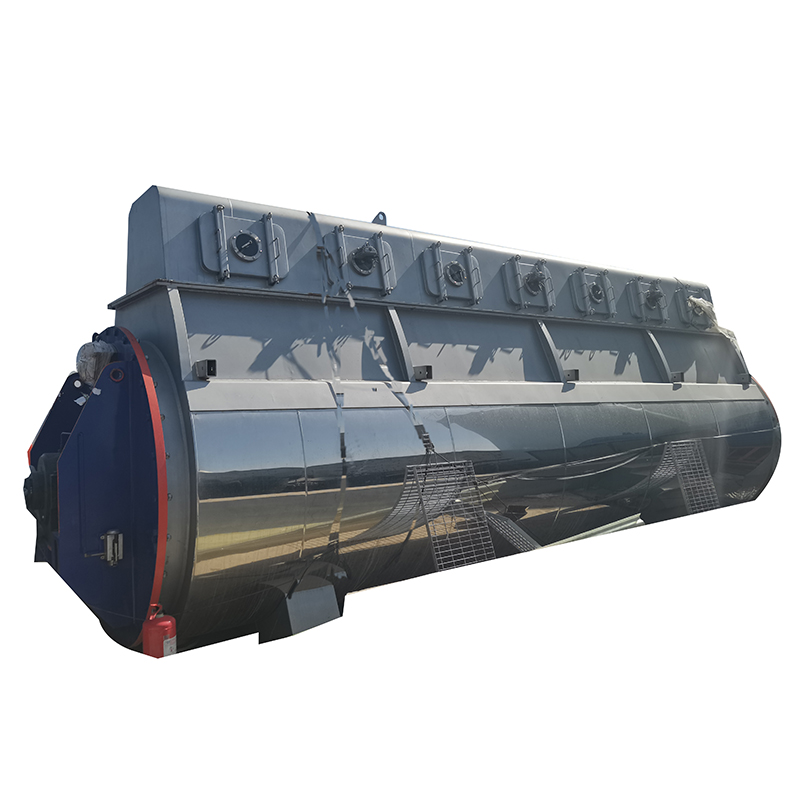
Oil melting tank
Product features: Reasonable structural design, mostly made of corrosion-resistant alloy steel for industrial use (resistant to special grease corrosion); The core component consists of a spiral coil (increasing heat exchange area and improving heating efficiency) with a low-speed stirring device (to avoid oil stratification, local overheating, and uneven heating); The outer side of the tank is wrapped with insulation layer (such as rock wool, polyurethane, etc., to reduce heat loss), with a feeding port, observation window, and safety valve at the top, and a discharge port at the bottom. The interface is complete and the layout is practical.
Heating and temperature control major; Using indirect heating (the thermal conductive medium does not directly contact the grease); High temperature control accuracy, equipped with thermocouple+PLC intelligent temperature control system, temperature error ± 1-3 ℃, can accurately set and maintain target temperature (adjustable from 30-200);
The medium can be steam (suitable for high temperature rapid heating) or thermal oil (suitable for medium and low temperature long-term constant temperature), suitable for different process requirements. Safe and reliable operation, equipped with over temperature alarm, over pressure protection, liquid level detection, dry burning protection and other devices to eliminate the risk of fire and leakage; During production and operation, there is no open flame, low noise, and minimal vibration. The enclosed design prevents oil evaporation and odor diffusion, meeting environmental and safety standards.
Function: Solid oil melting: Quickly convert block shaped and solid oils (such as palm oil, pork board oil, industrial lubricating grease) into liquid and oil residue, thereby separating and solving the problem of recycling and reusing solid pork board oil; Precise heating treatment: According to the process requirements, solid animal fat raw materials are transported to the melting tank, and by heating to the target temperature, the oil in the raw materials is extracted and melted. Auxiliary mixing and stirring: The machine is equipped with a stirring function to make the temperature more uniform, prevent oil residue from settling at the bottom of the tank, and prevent the phenomenon of sticking to the pot.
Usage: Food processing industry: Oil factories, melting and heating of vegetable oils such as palm oil and soybean oil (for easy refining and filling); Meat Products Factory: Refining and processing raw materials such as lard and butter wool to produce different types of oils and fats with varying degrees of precision. Oils and fats can be used as food ingredients and industrial product additives.
Chemical and industrial fields: lubricant/grease factories; Melting and heating modification of industrial lubricating grease and gear oil;
Advantages: Guaranteed oil quality, indirect heating+uniform heat exchange, avoiding carbonization and oxidation of oil caused by local high temperature, preserving the nutrition and flavor in oil, and ensuring the stable performance of industrial oil.
High energy consumption and low efficiency, spiral coil has a large heat exchange area, and heating efficiency is more than 30% higher than traditional straight tube heating; The insulation layer design reduces heat loss and reduces long-term energy consumption.
Widely applicable scenarios: It can handle different types of oils and fats such as animal oil, vegetable oil, industrial oil, etc. The temperature range is adjustable from 30-200 ℃, and supports various specifications from small experimental equipment to large industrial tanks.
Easy operation and maintenance: The intelligent temperature control system supports one click setting and automatic temperature replenishment, reducing manual intervention; The tank and coil are easy to clean, and the key components (temperature control valve, safety valve, water delivery valve group) are easy to maintain and have a long service life; Compliant with industry standards, chemical grade materials are corrosion-resistant and high-temperature resistant, designed for enclosed spaces, meet environmental requirements, have complete safety protection devices, and are compatible with compliance requirements in various industries.